

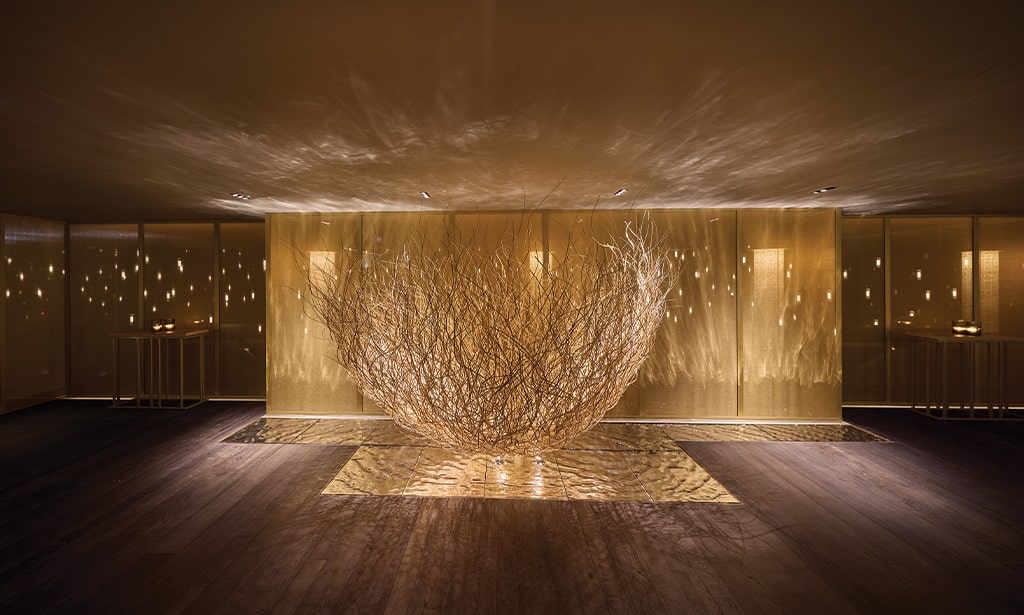
In an increasingly urbanized world, the need to reconnect with nature has never been more pressing. This yearning has given rise to biophilic design, a concept that integrates natural elements into built environments to enhance well-being and productivity. Among the various aspects of biophilic design, biophilic lighting stands out as a transformative trend in 2024. This article explores the latest in biophilic lighting, its benefits, and how to implement it in your home or office.

Understanding Biophilic Lighting
Biophilic lighting is based on the concept of biophilia, which is the innate human attraction to nature. It seeks to mimic the natural light patterns and cycles experienced in nature within indoor settings. This type of lighting typically involves adjusting the intensity, color temperature, and distribution of light to align with the circadian rhythm, the 24-hour biological cycle that regulates sleep and wakefulness in living organisms.
Key Principles of Biophilic Lighting
- Dynamic Light Cycles: Mimicking the natural progression of sunlight throughout the day.
- Natural Elements: Incorporating materials like wood, stone, and plants into lighting fixtures.
- Circadian Rhythm Support: Adjusting light intensity and color temperature to support natural sleep-wake cycles.
Benefits of Biophilic Lighting
Biophilic lighting goes beyond aesthetics; it offers a multitude of benefits that significantly impact our well-being and overall quality of life.
Enhanced Well-being
Exposure to natural light has been shown to reduce stress, improve mood, and enhance overall mental health. Biophilic lighting replicates these benefits by creating a more natural indoor environment.
Improved Productivity
Studies have demonstrated that environments incorporating natural elements, including biophilic lighting, can boost productivity and cognitive function. Employees in biophilic-designed offices report higher levels of well-being and creativity.
Better Sleep Quality
By aligning indoor lighting with natural circadian rhythms, biophilic lighting helps regulate sleep patterns. This can lead to better sleep quality and overall health.
Implementing Biophilic Lighting
Implementing biophilic lighting requires careful planning and consideration. Here are some tips for successfully integrating nature-inspired lighting techniques into your spaces.
Collaborate with Lighting Designers
Engage with professionals who specialize in biophilic lighting design. Their expertise will help you develop a comprehensive lighting plan that maximizes the potential of biophilic principles.
Use Natural Light Strategically
Maximize the use of natural light through large windows, skylights, and reflective surfaces. When natural light is insufficient, supplement it with artificial lighting designed to mimic natural light patterns.
Incorporate Nature-Inspired Elements
Integrate natural materials like wood, stone, and plants into your lighting fixtures. Consider using living walls or vertical gardens to complement the biophilic lighting and create a cohesive natural environment.
Tailor Lighting to Specific Spaces
Different spaces have different lighting needs. For example, in residential areas, focus on creating warm, inviting environments that promote relaxation. In workspaces, prioritize lighting that enhances visual acuity and supports circadian rhythms to boost productivity.
Select Appropriate Fixtures
Choose lighting fixtures that offer flexibility in color temperature and intensity. Smart lighting technologies, such as tunable white LED lights, can adjust throughout the day to mimic natural light conditions.
Examples of Biophilic Lighting Designs
Several innovative biophilic lighting designs are leading the way in 2024. Here are a few noteworthy examples:
Mygdal Plant Lamp
This lamp by Nui Studio features a self-sufficient ecosystem with LED grow lights, creating a natural, illuminated environment that requires no maintenance.
Babylon Pendant Light
Inspired by the Hanging Gardens of Babylon, this pendant light integrates plants directly into the fixture, providing both illumination and a touch of greenery.
Luxie by Qvarta
A minimalist design that combines a vase for plants with a ring light, offering a sleek and modern approach to biophilic lighting.
Conclusion
Biophilic lighting is more than just a trend; it’s a movement towards healthier, more natural living environments. By incorporating elements that mimic natural light and integrating nature-inspired materials, biophilic lighting enhances well-being, productivity, and overall quality of life. As we move further into 2024, embracing biophilic lighting can transform our indoor spaces into sanctuaries that reconnect us with the natural world.
