

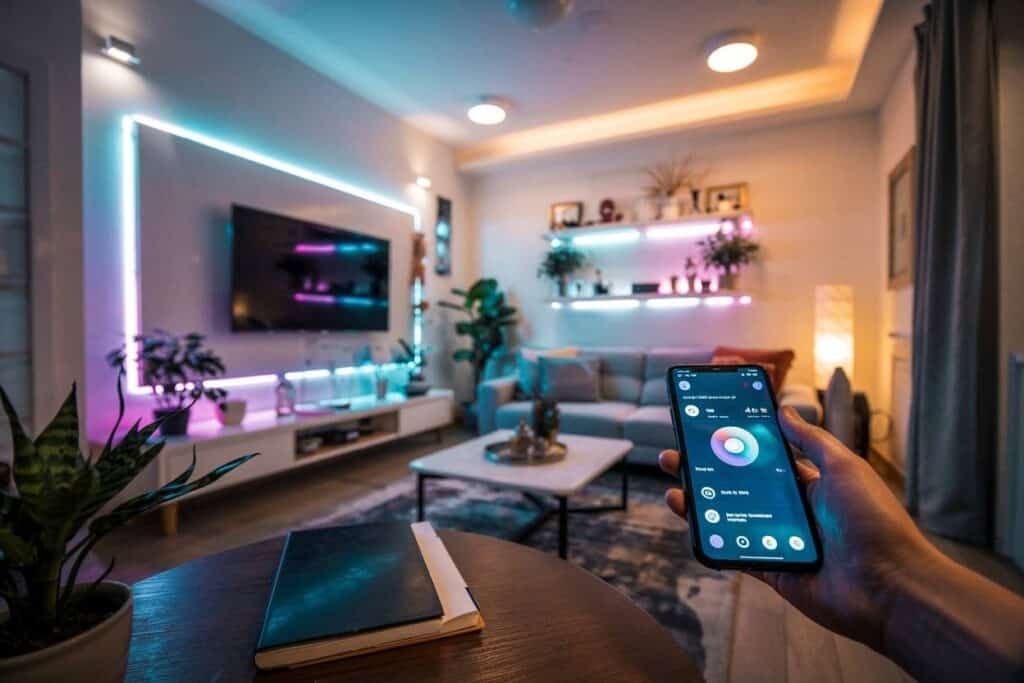
In recent years, smart lighting systems have revolutionized the way we illuminate our homes and businesses. These systems offer unparalleled control over lighting conditions, enabling users to enhance ambiance, improve energy efficiency, and bolster security. In this article, we’ll explore how smart lighting systems work, their benefits, and tips for implementing them effectively.

Understanding Smart Lighting Systems
What are Smart Lighting Systems?
Smart lighting systems are advanced lighting solutions that can be controlled remotely through smartphones, tablets, or voice commands. These systems typically consist of smart bulbs, switches, and control hubs that communicate via Wi-Fi, Bluetooth, or Zigbee protocols. The integration with home automation platforms allows users to customize lighting settings, schedules, and even sync lights with other smart devices.
Key Components
- Smart Bulbs: LED bulbs that can change color, brightness, and sometimes color temperature.
- Smart Switches and Dimmers: Devices that replace traditional wall switches and allow remote control and automation.
- Control Hubs: Central units that manage communication between the bulbs and the user’s devices.
- Sensors: Motion or occupancy sensors that trigger lights based on movement or presence.
Benefits of Smart Lighting Systems
Enhanced Ambiance
Smart lighting systems provide flexibility to create the perfect ambiance for any occasion. Whether it’s a cozy evening at home, a festive party, or a focused work environment, smart lighting can be adjusted to suit the mood.
- Color and Brightness Control: Change the color and brightness of lights to match your desired atmosphere.
- Scene Setting: Pre-programmed settings allow for quick changes between different lighting scenes, such as ‘Reading,’ ‘Dinner,’ or ‘Movie Night.’
- Circadian Lighting: Adjusts lighting based on the time of day to support natural sleep-wake cycles, enhancing well-being.
Improved Security
Smart lighting systems can significantly enhance home security. By automating and controlling lights remotely, you can deter potential intruders and ensure your property is well-lit.
- Remote Access: Control your lights from anywhere in the world using your smartphone.
- Scheduled Lighting: Set lights to turn on and off at specific times to give the appearance that someone is home.
- Integration with Security Systems: Sync lights with security cameras and alarms for enhanced protection. For instance, lights can turn on automatically if motion is detected by security cameras.
Energy Efficiency
Smart lighting systems can help reduce energy consumption and lower electricity bills.
- Dimming and Brightness Control: Reduce the brightness of lights when full illumination is not necessary.
- Motion Sensors: Ensure lights are only on when needed, reducing wasted energy.
- Energy Monitoring: Track energy usage and identify areas for further savings.
Implementing Smart Lighting Systems
Assess Your Needs
Before installing a smart lighting system, evaluate your specific needs and preferences. Consider the following:
- Areas of Use: Identify which rooms or outdoor spaces will benefit most from smart lighting.
- Desired Features: Decide on the features you want, such as color-changing bulbs, dimming capabilities, or integration with other smart devices.
- Budget: Determine your budget and prioritize the most important features and areas.
Choose the Right System
Select a smart lighting system that aligns with your needs and is compatible with your existing smart home ecosystem. Popular options include Philips Hue, LIFX, and TP-Link Kasa.
Installation Tips
- Start Small: Begin with a few smart bulbs or switches in key areas to get familiar with the system.
- Use Quality Products: Invest in reputable brands to ensure reliability and longevity.
- Professional Installation: For complex setups, consider hiring a professional to ensure proper installation and integration.
Optimize for Security
- Regular Updates: Keep your smart lighting system’s firmware updated to protect against security vulnerabilities.
- Secure Network: Ensure your home Wi-Fi network is secure with strong passwords and encryption.
- Monitor Usage: Regularly check your smart lighting app for any unusual activity or unauthorized access.
Conclusion
Smart lighting systems offer a versatile and efficient way to enhance the ambiance and security of your home or business. By understanding the benefits and implementing the right solutions, you can create a comfortable, safe, and energy-efficient environment. Embrace the future of lighting with smart systems and enjoy the myriad advantages they bring.
