

A roof protects almost everything inside a home. It keeps out rain, blocks strong sunlight, and helps the house stay comfortable. In Lutz, roofs also face heat, humidity, heavy rain, and strong winds. Over time, those conditions can wear down even a well-built roof.
Many homeowners do not think about roof replacement until a leak appears. Understandable. Still, waiting too long can lead to damaged ceilings, wet insulation, mold, and costly repairs. Knowing the warning signs, costs, materials, and replacement process can make the decision less confusing.
Signs That a Roof May Need Replacement
Roof damage is not always easy to notice. Some problems grow slowly and look small at first.
The Roof Is Getting Old
Asphalt shingles often last around 15 to 25 years, depending on the product, installation, care, and weather. A roof near the end of that range should be inspected, even if it is not leaking yet. Age alone does not always mean replacement, but repeated repairs may no longer make sense.
Water Is Entering the Attic
Water stains, wet insulation, musty smells, or visible dripping can point to a roof leak. One small leak may be repairable. Several leaks, or leaks that return after repairs, may show that the roofing system is failing.
Do not ignore a small drip. Water can move along wood before it appears on a ceiling, so the source may be larger than it looks.
Shingles Are Missing or Damaged
Cracked, curled, loose, or missing shingles cannot protect the roof deck properly. A few damaged shingles may only need repair. Widespread damage usually suggests a bigger problem.
Granules Are Collecting in the Gutters
Asphalt shingles have small granules that protect them from sunlight and weather. Heavy buildup in the gutters may mean older shingles are wearing out. Bare or shiny spots are another warning sign.
The Roof Is Sagging
A sagging section may point to weakened decking, trapped moisture, or structural damage. This is more serious than a missing shingle and should be inspected quickly.
What Affects Roof Replacement Cost?
Roof replacement prices vary. The final amount depends on the home, material, labor, permits, and hidden damage.
Roof size is one of the biggest factors. Roofing is often measured in squares, with one square covering 100 square feet. Larger roofs require more material and labor.
Roof shape matters too. Steep sections, valleys, dormers, chimneys, and several roof levels can make the work slower and harder.
Material choice also changes the price. Asphalt shingles are usually more affordable. Metal, tile, and slate often cost more at first, though some may last longer.
Removing old roofing adds labor and disposal costs. Rotted decking, damaged flashing, or weak wood found underneath will raise the total. Permits and inspections may add to the price as well.
A written estimate should explain removal, materials, underlayment, flashing, ventilation, cleanup, and possible extra repairs.
Choosing the Right Roofing Material
Asphalt shingles remain popular because they are affordable and come in many styles. Modern shingles may also offer improved wind and heat resistance.
Metal roofing is durable, lightweight, and low maintenance. It handles heavy rain well and may reflect some heat. It costs more, but it can last a long time when installed correctly.
Tile roofing gives a home a classic look and handles heat well. It is heavy, so the roof structure must support it.
Slate is strong, fire resistant, and long lasting. It is also expensive and very heavy. It works best on homes designed to carry its weight.
Wood shingles offer a natural look, but they need regular care. Moisture, insects, and local fire rules may limit where they are practical.
What Happens During Roof Replacement?
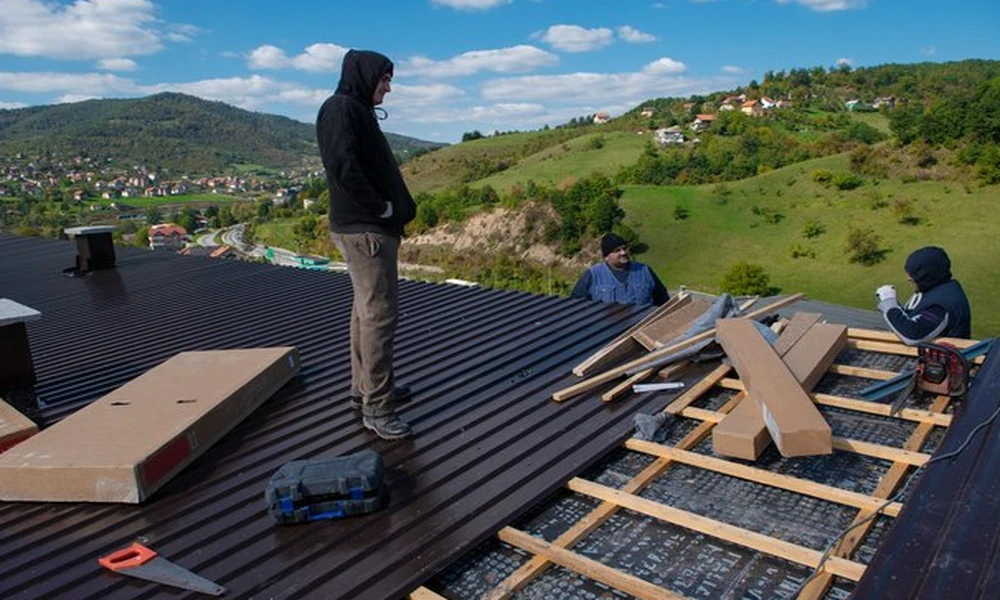
The process usually starts with an inspection and written estimate. After materials are selected, the old roofing is removed. The exposed deck is checked and repaired where needed.
Next, underlayment, flashing, and other protective parts are installed. The new roofing material is then placed. After installation, the roof is inspected and the property is cleaned.
The project may be noisy and messy for a few days. Covering items in the attic and moving vehicles away from the work area can help.
Caring for the New Roof
A new roof still needs basic care. Inspect it once a year and after major storms. Keep gutters clear, remove leaves and branches, and trim nearby trees.
Small problems should be handled early. A loose shingle or minor leak is easier to repair before water damages the wood below.
Replacing a roof is a major home project. It can feel overwhelming at first. But understanding the signs, costs, materials, and steps makes it easier to plan and choose wisely.
This article was written by a Baypoint Roofing professional. Baypoint Roofing, a State certified, insured, bonded and licensed roofing contractor, specializes in insurance restoration, damage repair from storms, expert roof inspections, and installation. We proudly serve Florida with over 25 years experience. Our team of experts will provide you with unmatched service and quality, whether you require a roof replacement or repairs. Baypoint Roofing, Roofers Lutz fl will protect your home and business with solutions designed to withstand Florida’s elements. We are committed to your satisfaction.
