

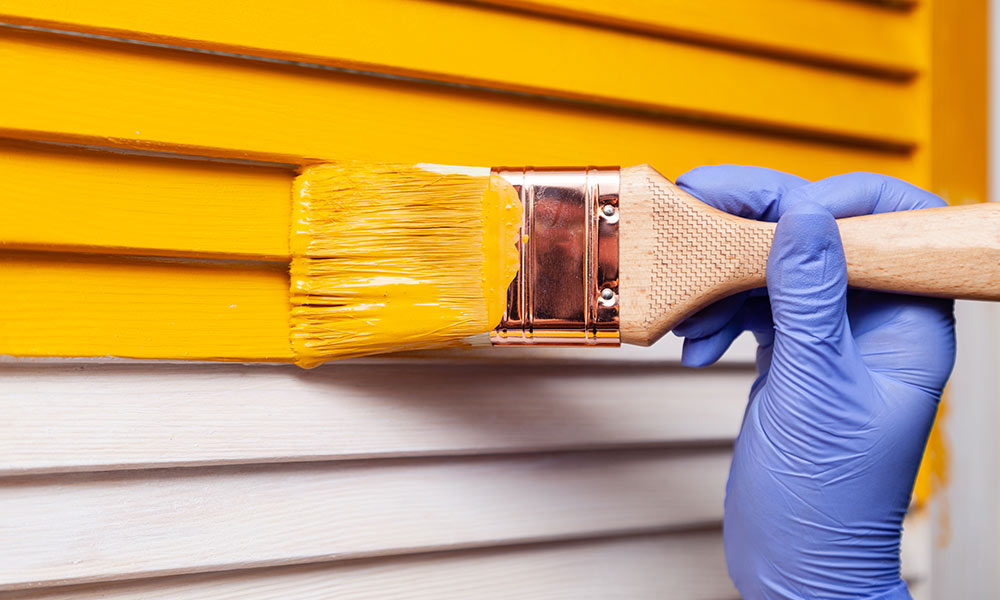
Painting your home’s interior can be a rewarding DIY project that transforms your living space. With the right techniques and tools, you can achieve a professional-looking finish without hiring expensive contractors. This comprehensive guide will walk you through the essential steps and tips for a successful DIY painting project.
Preparing Your Space
Clean and Repair Surfaces
Before you begin painting, thoroughly clean the walls to remove dirt, dust, and grease. Repair any cracks, holes, or imperfections with spackle or joint compound. Sand the repaired areas smooth once dry.
Protect Floors and Furniture
Use canvas drop cloths to protect your floors and furniture. Canvas is more durable and less slippery than plastic, making it safer to work on.
Apply Painter’s Tape
Carefully apply painter’s tape along edges, trim, and corners to ensure clean lines and protect areas you don’t want to paint.
Choosing the Right Paint and Tools
Select Quality Paint
Invest in high-quality paint for better coverage and durability. Consider factors like finish (matte, eggshell, satin, or gloss) and whether you need a primer.
Essential Tools
Gather the necessary tools, including:
- Paint rollers and brushes
- Paint trays
- Extension poles
- Sandpaper
- Ladder or step stool
Painting Techniques for a Professional Finish
Start with the Ceiling
Begin painting from the top down, starting with the ceiling. This approach helps manage drips and ensures a seamless finish.
Use the “W” Technique
When painting walls, use a W-pattern with your roller for even coverage. Work in small 3-4 foot sections before moving on.
Cut In Like a Pro
Use a high-quality angled brush to “cut in” along edges and corners before rolling. This technique creates crisp lines and even coverage.
Maintain a Wet Edge
To avoid lap marks, maintain a wet edge by overlapping your previous stroke before the paint begins to dry.
Advanced Tips for a Flawless Finish
Layer Your Lighting
Use layered lighting techniques to highlight your newly painted walls. Combine ambient, task, and accent lighting to create depth and visual interest in your space.
Consider Color Psychology
Choose colors that complement your home’s style and create the desired mood. Cool colors like blues and greens can create a calming atmosphere, while warm tones like reds and yellows can energize a space.
Experiment with Textures
For added visual interest, consider using textured paints or techniques like color blocking to create unique designs on your walls.
Cleaning Up and Maintaining Your Paint Job
Proper Tool Care
Clean brushes and rollers thoroughly after use to extend their life. For latex paints, warm soapy water works well, while oil-based paints require mineral spirits.
Touch-Up Kit
Create a touch-up kit with leftover paint, small brushes, and sandpaper for quick fixes in the future.
Regular Maintenance
Dust and clean your painted walls regularly to maintain their fresh appearance. Use a soft, damp cloth for gentle cleaning.
Conclusion
With these DIY painting tips, you can achieve a professional-looking finish in your home. Remember to take your time, prepare properly, and use quality materials for the best results. Whether you’re refreshing a single room or tackling your entire home, these techniques will help you create a beautiful, long-lasting paint job.
