

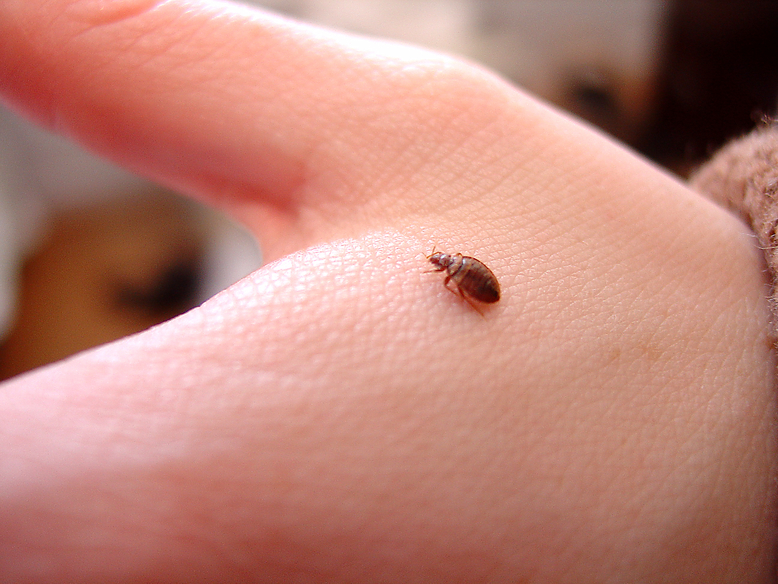
Ski season, summer road trips, holiday weekends. Millions of travelers pass through Colorado’s I-70 corridor every year, and a good portion of them spend at least one night in a hotel between Denver and the mountain towns. Most of those stays are uneventful. But every week, Hot Bugz gets calls from Denver-area residents who came home from a weekend in Vail, Breckenridge, or Glenwood Springs and brought back something they didn’t pack. Bed bugs picked up in hotel rooms are one of the most common ways infestations start in Colorado homes, and the I-70 corridor sees enough traveler volume to keep the cycle going year-round.
Why Hotels Are a Persistent Source of Bed Bugs
Hotels don’t cause bed bugs. Travelers bring them. A guest checks in with bugs in their suitcase, the bugs crawl off into the mattress or headboard, and the next guest picks them up. High-turnover properties with hundreds of rooms cycling through thousands of guests per month create ideal conditions for this kind of transfer.
The I-70 corridor is especially active because it funnels both destination travelers and overnight pass-through traffic into a relatively narrow band of hotel properties. Towns like Idaho Springs, Georgetown, Silverthorne, Frisco, and Dillon have clusters of hotels and motels that fill up on weekends and holidays. During ski season, occupancy rates in Summit County regularly exceed 80 percent. That density of guests, many of them arriving from different cities with their own bed bug exposure histories, creates a statistical inevitability. Some percentage of those rooms will have bugs at some point during the season.
This isn’t limited to budget motels. Bed bugs don’t discriminate by star rating. They’ve been documented in luxury resorts, boutique hotels, and well-known national chains. A clean, well-maintained room can still harbor bugs if the previous occupant introduced them and housekeeping didn’t catch the signs before the next guest checked in.
How to Check a Hotel Room Before You Unpack
A quick inspection when you first walk into a hotel room takes less than five minutes and can save you weeks of stress.
Start with the bed. Pull back the sheets and check the mattress seams, particularly along the piping at the edges and corners. Look for small dark spots (fecal stains), translucent shed skins, or the bugs themselves. Adult bed bugs are flat, oval, reddish-brown, and roughly the size of an apple seed. Nymphs are smaller and lighter in color, sometimes nearly translucent.
Check behind the headboard if it’s not bolted to the wall. Many hotel headboards are mounted on brackets and can be pulled forward a few inches. The back side of the headboard and the wall behind it are prime hiding spots. If you can’t move the headboard, shine your phone flashlight along the top edge and the seam where it meets the wall.
The nightstand is another common harborage point. Open the drawer and check the tracks. Look at the back panel and the underside. Bed bugs in hotels frequently set up in nightstands because they’re close to the bed and rarely moved during cleaning.
Set your luggage on the bathroom tile or on the metal luggage rack, not on the bed or the carpeted floor. If the room is clean, your bags stay clean. If you toss your suitcase on the bed before inspecting, any bugs present can climb right in.
What to Do If You Find Bed Bugs in Your Hotel Room
If your inspection turns up bugs or signs of them, don’t sleep in the room. Notify the front desk immediately and request a different room, preferably not adjacent to or directly above or below the affected one. Bed bugs travel through wall voids in hotel buildings the same way they do in apartment complexes.
If you’ve already slept in the room before discovering the issue, the situation is more complicated but not hopeless. When you get home, take your luggage directly to the garage or a hard-floored area rather than your bedroom. Unpack everything into garbage bags. Wash all clothing and fabric items on the hottest cycle your dryer allows. Heat is what kills bed bugs, and a residential dryer on high typically reaches 130 to 140 degrees, which is sufficient.
Inspect your suitcase thoroughly, paying attention to the seams, zipper tracks, and any internal pockets. Hard-shell luggage is easier to inspect and less hospitable to bugs than soft-sided bags, which have more fabric folds and stitching for bugs to hide in.
The Gap Between Exposure and Discovery
One reason hotel-acquired bed bugs are so common is the delay between pickup and detection. A female bed bug that hitches a ride in your suitcase may not produce noticeable signs for several weeks. She lays one to five eggs per day, but those eggs take about 10 days to hatch, and the nymphs need several blood meals before they’re large enough to spot easily. By the time you’re waking up with bites or finding bugs on your sheets, the population may have been building for a month.
This timeline catches people off guard. They assume the bugs came from their apartment building or a recent furniture purchase because the hotel stay was weeks ago. Hot Bugz sees this pattern regularly: a client calls about bites that started a few weeks back, and during the intake conversation, a hotel stay from three to four weeks prior comes up. That’s almost always the source.
Colorado Travel Seasons and Peak Risk Periods
The I-70 corridor has two major high-traffic seasons that correlate with increased bed bug transfer risk. Ski season runs roughly from November through April, with the heaviest hotel occupancy around Christmas, New Year’s, Martin Luther King Jr. weekend, and Presidents’ Day weekend. Summer sees a second surge from June through August as travelers head to the mountains for hiking, rafting, and festivals.
Spring and fall shoulder seasons carry lower risk simply because fewer people are cycling through hotel rooms. But lower doesn’t mean zero. Bed bugs don’t have a dormant season in climate-controlled buildings. A hotel room that picked up bugs in February still has them in May if the infestation wasn’t caught and treated.
Denver itself sits at the eastern gateway of the corridor, and many travelers spend a night in the metro area before or after their mountain trip. That means Denver hotels carry the same transfer risk, and bugs acquired at a downtown Denver hotel can end up in a home in Lakewood, Aurora, or Arvada just as easily as bugs from a Frisco lodge.
When You Get Home and Something Feels Wrong: Call Hot Bugz
If you’ve returned from a trip along the I-70 corridor and you’re noticing bites, finding small blood spots on your sheets, or seeing bugs you can’t identify, don’t wait. The earlier an infestation is caught, the simpler and less expensive it is to treat. A population that’s been growing for six weeks is a bigger job than one caught at two weeks.
