

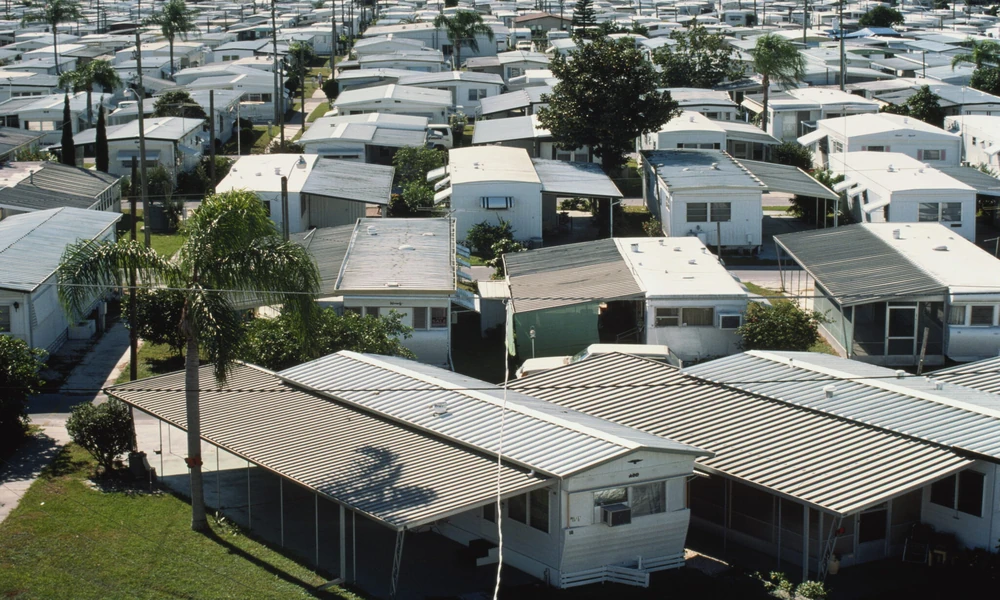
Power outages are an inconvenience for any homeowner, but a long-lasting outage can create much bigger problems in a manufactured-home community. When the electricity stays off for several hours or even longer, residents may have difficulty keeping food cold, maintaining comfortable indoor temperatures, charging phones, using medical equipment, or simply having enough lighting to safely move around their homes.
For mobile home park managers in Austin, Texas, preparing for outages involves more than having a generator available for the management office. There are also electrical considerations at the individual homes throughout the community. Providing residents with clear guidance about generator connections, electrical panels, surge protection, and safe backup-power practices can help reduce the temptation to use dangerous shortcuts when the power goes out.
Bebee Electric Plus works with property owners and managers on electrical projects throughout the Austin area, including improvements that can make manufactured-home communities better prepared for electrical emergencies. With the right planning, park managers can establish reasonable electrical standards that help residents prepare for outages without creating additional safety hazards.
Why Extended Power Outages Can Be Particularly Disruptive in Manufactured-Home Communities
An occasional short outage may not be a major concern. Residents can wait for the power to return, and most modern appliances can simply be restarted afterward. An extended outage is different.
Austin’s weather can make an electrical outage especially uncomfortable. During periods of extreme summer heat, losing air conditioning for an extended period can cause indoor temperatures to climb quickly. Residents who are older, have young children, or rely on electrically powered medical equipment may be particularly affected.
Winter outages create a different set of concerns. Although Austin, Texas does not experience prolonged freezing temperatures every winter, severe cold weather can still create dangerous conditions when heating equipment cannot operate.
Food preservation is another concern. A refrigerator and freezer can only maintain safe temperatures for so long without electricity. Residents may also need electrical power for lighting, communications, internet equipment, sump or drainage equipment, and other household necessities.
For park managers, the challenge is that every home may have a different electrical configuration. Some residents may have older electrical panels, while others may have newer equipment with additional capacity. That makes a standardized approach to backup power particularly useful.
Portable Generator Inlets and Interlocks Can Provide a Safer Backup-Power Option
Portable generators can be useful during an outage, but the way a generator is connected to a home matters enormously.
One option is to have a properly installed generator inlet connected to an approved transfer or interlock arrangement. The inlet gives the homeowner a designated connection point for the portable generator instead of encouraging improvised connections.
A properly configured interlock can help prevent the generator and utility power from being connected to the home’s electrical system at the same time. This is an important part of generator safety because electricity must have a controlled path between the generator and the home’s electrical panel.
The exact equipment used depends on the home’s electrical system, panel configuration, generator capacity, and applicable requirements. A solution that works for one manufactured home may not be appropriate for another.
That is why a generator connection should be treated as an electrical installation rather than simply an accessory that a homeowner can add to an existing panel.
Helping Residents Power the Things They Actually Need
A common mistake during generator planning is assuming that a portable generator needs to power everything in the house.
In many situations, the goal is not to operate every appliance simultaneously. Instead, the objective is to keep essential circuits operating.
For example, a homeowner may want backup power for:
- A refrigerator and freezer
- Selected lighting circuits
- Internet and communications equipment
- Essential kitchen outlets
- A few bedroom or living-area receptacles
- Garage door openers
- Certain HVAC equipment
- Medical or other essential electrical equipment
HVAC systems require particular attention. A central air-conditioning system can place a substantial demand on a generator, particularly when the compressor starts. A portable generator that can comfortably operate a refrigerator and several lights may not have enough capacity for a central HVAC system.
That means generator planning should begin with the home’s electrical loads rather than the generator itself.
An electrician can help determine which circuits should be included and whether the existing electrical system can safely accommodate the proposed connection.
Never Use Unsafe Backfeeding Methods
One of the most important safety messages a park manager can communicate to residents is simple: never connect a generator to a home by backfeeding through a standard receptacle.
A homemade cord with two male ends, sometimes called a “suicide cord,” is particularly dangerous. Plugging a generator into a household outlet can energize circuits in ways the electrical system was never designed to handle.
Backfeeding can also send electricity onto utility lines outside the home. If utility workers are repairing power lines and the generator unexpectedly energizes those lines, they could be exposed to a potentially lethal electrical hazard.
There is a reason properly installed generator inlets, transfer switches, and interlock devices exist. They provide a controlled method of transferring selected electrical loads to generator power while helping prevent an unintended connection between the generator and utility supply.
A park’s resident guidelines should specifically prohibit improvised generator connections.
Evaluate the Electrical Panel Before Adding a Generator Connection
Installing a generator inlet or interlock should not begin with simply looking for an available breaker space.
The electrical panel should be evaluated as part of the project.
An electrician may need to consider the panel’s age, condition, rating, breaker configuration, wiring, grounding and bonding, available capacity, and compatibility with the proposed equipment.
Manufactured homes can have electrical systems that vary considerably based on their age and construction. Some residents may also have modified their homes over the years by adding appliances, workshops, HVAC equipment, exterior structures, or other electrical loads.
A panel that appears adequate at first glance may have other issues that need to be addressed before a generator connection is installed.
This is another reason why a standardized park policy can be helpful. Instead of allowing residents to install whatever equipment they choose, managers can establish a process requiring an electrical evaluation before a backup-power connection is added.
Whole-Home Surge Protection Can Help Protect Appliances and Electronics
Generator planning is only one part of protecting electrical equipment during an outage.
Whole-home surge protection is another improvement worth considering for manufactured homes.
Modern homes contain an increasing number of sensitive electronic devices. Televisions, computers, Wi-Fi equipment, smart-home devices, appliances, HVAC controls, garage-door openers, and other equipment can all contain electronic components that may be affected by electrical surges.
Surges can occur for several reasons, including utility disturbances, equipment switching, and lightning-related events.
A whole-home surge protective device installed at the electrical panel provides another layer of protection for the home’s electrical system. It does not make appliances immune to every electrical event, but it can help manage certain transient voltage surges before they travel deeper into the home’s wiring.
For a mobile home community, encouraging residents to consider surge protection can be particularly useful because it addresses electrical protection during normal utility operation as well as during outage-related events.
Don’t Forget the Park’s Own Critical Electrical Equipment
Backup power planning should not stop at individual homes.
The park itself may depend on electrical equipment that residents rely on every day.
Park managers should consider what happens if an extended outage affects:
- The management office
- Entry gates
- Security systems
- Cameras
- Access-control equipment
- Wi-Fi or communications equipment
- Emergency lighting
- Common-area lighting
- Maintenance facilities
- Laundry facilities
- Water-related equipment
- Other critical infrastructure
The exact backup requirements will depend on the community’s design and infrastructure.
For example, a gated community may need a reliable method of maintaining access for residents and emergency responders. Security cameras may need backup power to continue recording. The management office may need electricity for phones, computers, internet equipment, and resident communications.
These loads can potentially be addressed through appropriately sized standby generators, portable generator connections, battery backup systems, or other solutions.
A professional electrical assessment can help determine which systems are genuinely critical and how long they should be capable of operating during an outage.
Establish Recommended Electrical Standards for Resident Generator Installations
One of the most practical steps a park manager can take is to create a written standard for resident backup-power installations.
Rather than leaving each homeowner to make independent decisions, the park can establish basic requirements that every installation must meet.
For example, a community’s policy could require residents to:
- Obtain approval before installing a permanent generator connection.
- Have the electrical system evaluated before installation.
- Use an appropriately rated generator inlet and approved transfer equipment or interlock system when applicable.
- Prohibit generator backfeeding through standard household receptacles.
- Require appropriate grounding and bonding practices.
- Use properly rated outdoor generator cords and equipment.
- Maintain required clearances around portable generators.
- Keep generators away from doors, windows, and other areas where exhaust could enter the home.
- Provide documentation showing that the electrical installation was completed or inspected by an appropriately qualified professional.
- Follow applicable electrical codes, manufacturer instructions, utility requirements, and local regulations.
The goal is not necessarily to dictate which generator brand residents must purchase. Instead, the goal is to establish minimum safety standards for how electrical equipment is connected to the home.
Is a DIY Generator Installation a Good Idea?
This is where park managers should be particularly cautious.
A handy homeowner may be perfectly capable of assembling furniture, installing shelves, performing minor maintenance, or handling many basic home-improvement projects. A generator connection is different.
The installation can involve the home’s main electrical panel, breakers, grounding and bonding, transfer equipment, service equipment, and potentially dangerous levels of electrical current.
An incorrectly installed generator connection can create shock, fire, equipment-damage, or backfeeding hazards.
For that reason, generator inlets, interlocks, transfer switches, and related panel work should not be treated as ordinary DIY projects. Texas-licensed electricians are the appropriate professionals to evaluate the electrical system and perform work that requires licensed electrical expertise.
A park manager can also protect the community by making this distinction clear in the resident guidelines. The policy can state that residents may purchase their own generators, but any permanent electrical connection to the home’s wiring must be installed by a properly licensed electrical professional and meet applicable requirements.
This approach gives residents flexibility while establishing a reasonable safety baseline throughout the community.
Why a Standardized Approach Makes Sense for Austin Mobile Home Parks
Every resident may have different needs, but the electrical safety principles remain largely the same.
A resident with a small portable generator may only need refrigeration, lighting, and several outlets. Another resident may want to operate a larger portion of the home during an outage. Someone with a larger electrical demand may eventually need a standby generator rather than a portable unit.
The park does not necessarily need to approve one solution for everyone.
Instead, managers can establish a consistent process: evaluate the home’s electrical system, determine the resident’s essential loads, select equipment that is compatible with the electrical system, and require professional installation of permanent generator connections.
That process can also make future maintenance easier. If a park keeps records of approved installations, managers and maintenance personnel have a better understanding of which homes have generator connections and what equipment has been installed.
Working With a Licensed Electrician on Backup-Power Improvements
Electrical preparedness is much easier when it is approached before an emergency occurs.
Park managers can work with an experienced electrical contractor to evaluate common electrical concerns, identify critical community equipment, develop resident installation standards, and determine which homes or buildings may benefit from generator connections or surge protection.
Bebee Electric Plus can help property managers and homeowners throughout the Austin area evaluate electrical needs and determine appropriate solutions for their particular systems.
For communities looking to establish safer backup-power practices, the goal should not simply be to get a generator running when the electricity goes out. It should be to make sure the generator, home electrical system, and community infrastructure work together safely.
Mobile home park managers in Austin, Texas can trust Bebee Electric Plus when they need the services of an experienced licensed electrician.
Planning ahead gives residents a safer path when the next outage occurs. Instead of scrambling to figure out how to power a refrigerator or air conditioner after the lights go out, homeowners can already have an approved connection, a properly evaluated electrical panel, and a clear understanding of which circuits their generator is designed to operate.
For park managers, that preparation can mean fewer unsafe installations, fewer emergency electrical questions, and a more consistent approach to backup power throughout the community. In a manufactured-home community where dozens or even hundreds of households may be affected by the same outage, establishing those standards before the next storm or grid disruption can make a significant difference.
