

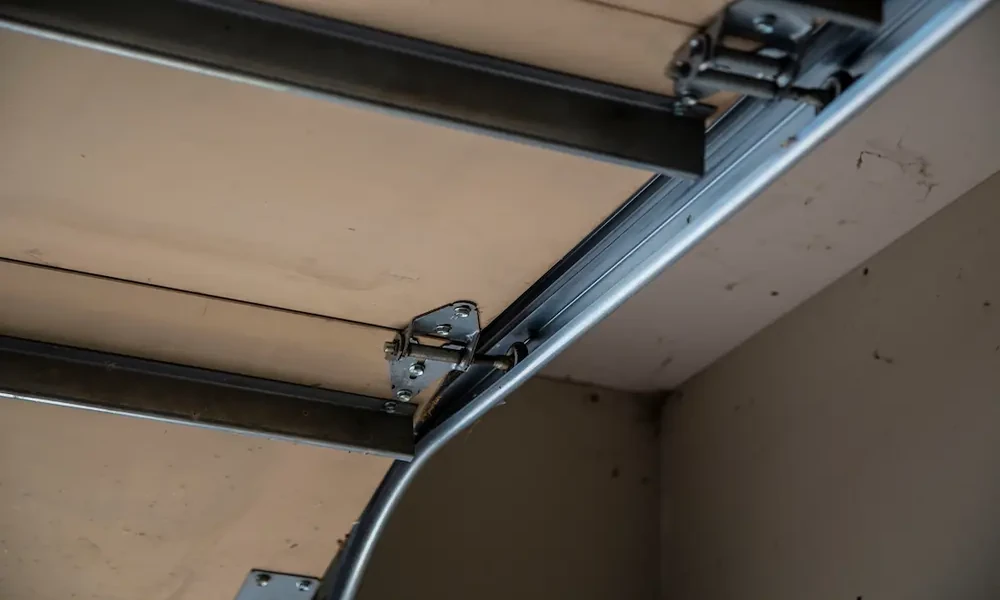
When your garage door groans in protest every time you try to open it, the culprit is often a bent or broken track. While it might be tempting to assume all track issues can be fixed with a simple hammer tap, not every bend is a quick DIY project, and leaving the damage unchecked can have consequences far beyond a stubborn door.
Bent Garage Door Tracks Can Always Be Straightened Easily
A common myth is that every bent garage door track can be fixed at home with basic tools. In reality, the severity and location of the bend play a huge role in whether a repair is even possible. Minor dents or slight misalignments in the track might be safely addressed with the right tools, but deeper kinks, twists, or cracked sections usually spell trouble.
Why Not All Bends Are Fixable at Home
A small inward dent where the track hasn’t warped can sometimes be gently straightened using pliers and a rubber mallet. However, if you notice major deformation, metal fatigue, or the track has lost its original shape, attempting a repair at home often makes things worse. Severe bends may disguise underlying issues, such as damaged brackets or mounting points.
Signs That Indicate Permanent Damage
Some warning signals mean replacement is unavoidable:
– The track is cracked or split anywhere along its length
– The door consistently jumps off the track, even after adjustment
– Both sides of the track are misaligned or bulging outward
– You see visible rust, corrosion, or warping from water damage
Proper Tools and Techniques for Minor Track Bends
If you’re determined to handle a minor track repair, make sure to have:
– A level to check alignment
– Adjustable pliers and a rubber mallet
– Safety goggles and gloves
– A socket set for removing mounting bolts
Always disconnect the power to the garage door opener and secure the door in the open position before starting work. Gently reshape the track, checking alignment often, and never force the metal, which can cause cracks.
Ignoring a Damaged Track Won’t Affect Door Operation
It’s easy to underestimate the impact of a bent or broken track, especially if the door still moves. However, even small track problems can escalate rapidly.
How Bent or Broken Tracks Impact Door Functionality
A garage door relies on perfectly aligned tracks to move smoothly. A slight bend can cause rollers to bind or pop out, leading to jerky operation or a stuck door. If you hear scraping or notice the door is crooked, your track is already affecting performance.
Risks of Using a Garage Door with Track Issues
Continuing to operate the garage door with track damage can lead to cable or roller failure. This increases the risk of the door slamming shut, jumping off the track, or in severe cases, causing injury.
Long-Term Consequences of Neglecting Repairs
Neglecting repairs doesn’t just worsen the immediate problem. Track misalignment places extra strain on cables, springs, and the opener, often leading to more expensive failures down the road.
You Must Replace Bent Tracks Instead of Repairing Them
Not every bent track has to be replaced. In many cases, repair is a safe, cost-effective choice.
When Repairing Tracks Is a Viable Option
If the metal is structurally intact and the bend is minor, professional technicians can often reshape and realign the track. This preserves your original system and avoids the hassle of sourcing an exact replacement.
Cost and Time Benefits of Repair Over Replacement
Repairing a track can save money and time compared to sourcing and installing a new track, especially when dealing with older or custom doors. Quick, skilled repair often means your door is back in service the same day.
Assessing Track Condition: Repair vs Replace Criteria
Professional assessment focuses on:
– The severity of the bend or break
– Integrity of mounting brackets and hardware
– Age and condition of the metal
If the track shows cracks, corrosion, or repeated issues after repairs, replacement becomes the only safe option.
DIY Repairs on Garage Door Tracks Are Always Safe
Tackling garage door repairs looks simple, but the risks are real.
Dangers of Improper Track Repairs
The tension in garage door systems can cause tools to slip or heavy doors to fall. Improper repairs often lead to personal injury, further track damage, or even catastrophic failure of cables and springs.
When to Call a Professional Technician
Call a technician if:
– The track is badly bent or broken
– The door feels heavy or moves unevenly
– You’re not confident in your ability to disconnect or secure the door
Professionals have the expertise and tools to repair or replace garage door tracks without risking personal safety.
Safety Precautions for Homeowners Attempting Minor Repairs
– Disconnect power and lock the opener in place
– Wear protective equipment
– Avoid over-tightening brackets or forcing metal back into shape
Track Damage Is Usually Caused by Accidents Only
While accidents are a common cause, many factors can contribute to track damage.
Common Causes of Bent or Broken Tracks
– Backing into the door with your car
– Objects obstructing the door’s path
– Worn rollers creating uneven pressure
How Regular Maintenance Can Prevent Track Damage
Lubricating rollers, keeping the tracks clear, and checking alignment as part of seasonal maintenance can prevent many issues.
Environmental and Mechanical Factors That Wear Tracks
Humidity, temperature swings, road salt, and natural settling of your garage can all cause tracks to rust, warp, or loosen over time.
Garage Door Tracks Are Standard and Easily Replaceable
Not all garage door tracks are interchangeable, and getting the right fit matters.
Variations in Track Types and Sizes
Tracks come in different thicknesses, lengths, and curvatures. Residential and commercial doors may need different styles, making “universal” replacements a myth.
Challenges in Finding Matching Replacement Tracks
Older or specialty doors may have discontinued parts, so matching the shape and mounting holes is essential for safe operation. This is where repairing the original track, when possible, preserves fit and function.
How Repair Preserves Original Track Integrity and Door Alignment
A well-done repair restores original alignment, keeps the rest of your door hardware intact, and helps avoid costly mistakes from ill-fitting parts.
Repairing Tracks Alone Solves All Garage Door Issues
Track repair is only one piece of a well-functioning garage door system.
How Track Repair Fits Into Overall Garage Door Maintenance
Tracks, cables, rollers, springs, and safety sensors all need regular inspection and maintenance to ensure smooth, safe operation.
Other Components Often Affected by Track Damage
A bent track can cause cable tension issues, wear down rollers, and even misalign safety sensors, leading to broader system failures.
Coordinating Track Repair with Cable, Spring, and Sensor Inspections
A professional service, such as Door Doctor garage door repair, examines all related components, ensuring your garage door runs reliably and safely for years to come.
Garages might seem simple, but the tracks that guide your door are anything but. Take care of small issues before they become big headaches, and call in the pros when safety is on the line.
