

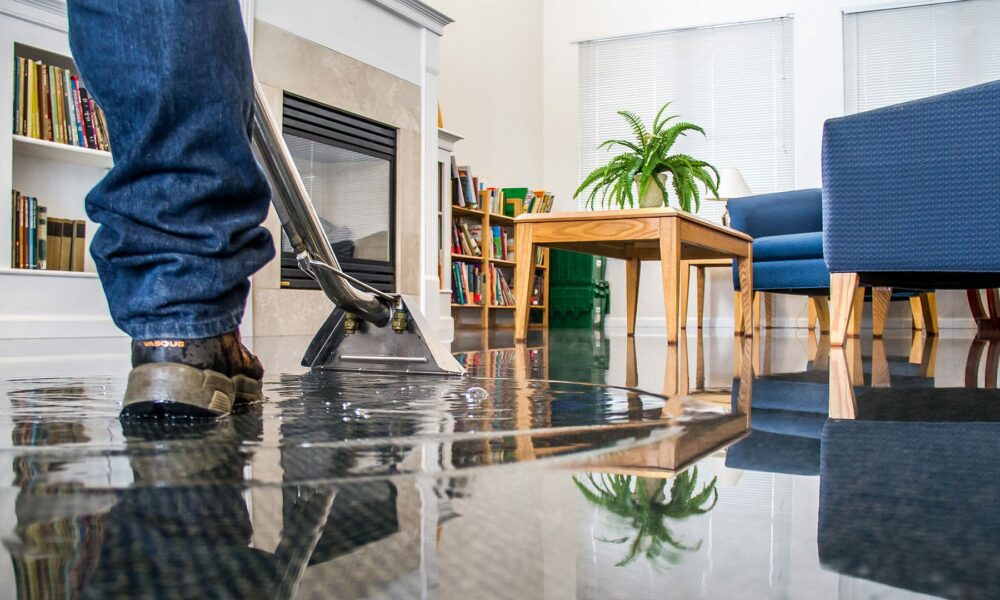
Reopening a business after flood damage is not just about getting the doors open again. It is about making sure the building is safe for employees, customers, and daily operations. Rushing the reopening process can lead to health risks, equipment failures, and repeat closures. Taking the right steps helps businesses reopen with confidence and avoid long-term problems.
Make Sure the Building Is Structurally Safe
Before anyone returns to the building, structural safety must be confirmed. Floodwater can weaken floors, walls, foundations, and load-bearing elements. Even if damage is not obvious, moisture trapped inside materials can reduce strength over time.
Professional inspections help identify soft flooring, cracked walls, and shifting structures. In warehouses or commercial spaces with heavy equipment or shelving, this step is especially important. No inventory or machinery should be moved back into place until safety checks are complete.
Address Electrical and Fire Safety Concerns
Electrical systems exposed to floodwater are one of the biggest safety risks when reopening a business. Wet wiring, outlets, panels, and equipment can cause shocks or fires if they are reactivated too soon.
Power should remain off in affected areas until licensed professionals inspect and clear systems for use. Fire alarms, sprinkler systems, and emergency lighting should also be tested to confirm they are functioning properly before reopening.
Ensure Proper Drying and Moisture Control
Visible water removal does not mean the building is dry. Moisture often remains inside walls, under floors, and above ceilings. If this moisture is ignored, mold growth and odor problems can develop after reopening.
Professional drying and moisture monitoring confirm that materials have reached safe levels. Dehumidifiers, air movers, and moisture meters are used to prevent hidden moisture from creating future health or structural issues.
Confirm Indoor Air Quality Is Safe
Flood damage can affect indoor air quality in serious ways. Mold spores, bacteria, and contaminants may circulate through the air if cleanup is incomplete. HVAC systems are often impacted by flooding and must be inspected before use.
Air quality testing and HVAC cleaning help ensure employees and customers are not exposed to harmful conditions. Musty odors, humidity issues, or health complaints are signs that air quality needs further attention before reopening.
Clean and Sanitize All Affected Areas
Floodwater may contain dirt, sewage, or chemical contaminants. All affected surfaces must be cleaned and sanitized properly. This includes floors, walls, restrooms, break areas, and shared spaces.
Porous materials that cannot be safely cleaned may need to be removed and replaced. Professional restoration teams use cleaning agents designed for commercial environments to ensure sanitation meets safety standards.
“Reopening too early puts people and operations at risk,” says Justin Milton of Disaster Restoration Pros. “Businesses should only reopen once safety, moisture, and air quality issues are fully addressed.”
Verify Compliance With Health and Safety Regulations
Many businesses must meet local health, safety, or industry regulations before reopening. Restaurants, healthcare facilities, and industrial operations often require inspections or approvals after flood damage.
Failing to meet these requirements can result in fines or forced closures. Restoration documentation, moisture readings, and cleaning records help demonstrate that the building is safe and compliant.
Prepare Employees for a Safe Return
Employees should not return until the building is confirmed safe. Once reopening is approved, staff should be informed about which areas are accessible and any ongoing restoration work.
Clear communication builds trust and reduces anxiety. Providing updates on safety measures reassures employees that their well-being is a priority.
Communicate Clearly With Customers and Clients
Customers need to know when and how the business is reopening. Transparency about cleanup efforts helps rebuild confidence. If some services are limited during the initial reopening phase, setting clear expectations prevents frustration.
Businesses that communicate openly often retain customer loyalty even after unexpected closures.
Plan for a Phased Reopening if Needed
In some cases, reopening the entire facility at once is not possible. A phased reopening allows businesses to resume operations in safe areas while restoration continues elsewhere.
This approach reduces downtime while maintaining safety standards. Professional restoration teams can help plan phased reopening strategies that support business continuity.
Reopening the Right Way Protects Your Business
Safely reopening after flood damage requires patience and professional guidance. Skipping steps can lead to repeat damage, health risks, and additional closures. By focusing on safety, moisture control, and compliance, businesses protect their people and their future.
